Author: Technology Team

  • Canva and ShotDeck Collaborate to Enhance Visual Content for Small Businesses

    Canva and ShotDeck Collaborate to Enhance Visual Content for Small Businesses

    Did you hear about Canva teaming up with ShotDeck? It promises to make it even easier for agencies to source high-quality reference images from movies to create mood boards, pitch decks, lookbooks, storyboards, and visualizations for creative concepts.

    The collaboration brings ShotDeck’s extensive library of high-quality visual references directly into Canva’s platform, offering a much more efficient creative process, particularly for marketing teams and agencies. 

    ShotDeck, known for its vast collection of still images from movies and TV shows, provides a unique resource for creators looking to refine their storytelling. With millions of images meticulously organized by various attributes like mood, setting, and color, ShotDeck offers a comprehensive tool for visually planning projects. This alliance allows Canva users to access and utilize these references within Canva’s design suite, simplifying the creative process for small business owners relying on high-quality visuals for marketing and branding.

    Canva users can now grab ShotDeck’s organized collections and utilize them inside Canva’s drag-and-drop features. The integration should help startup product companies create marketing content even more quickly than Canva did on its own. 

  • Meta Updates Messenger with AI, HD Video, and Enhanced Tools for Businesses

    Meta Updates Messenger with AI, HD Video, and Enhanced Tools for Businesses

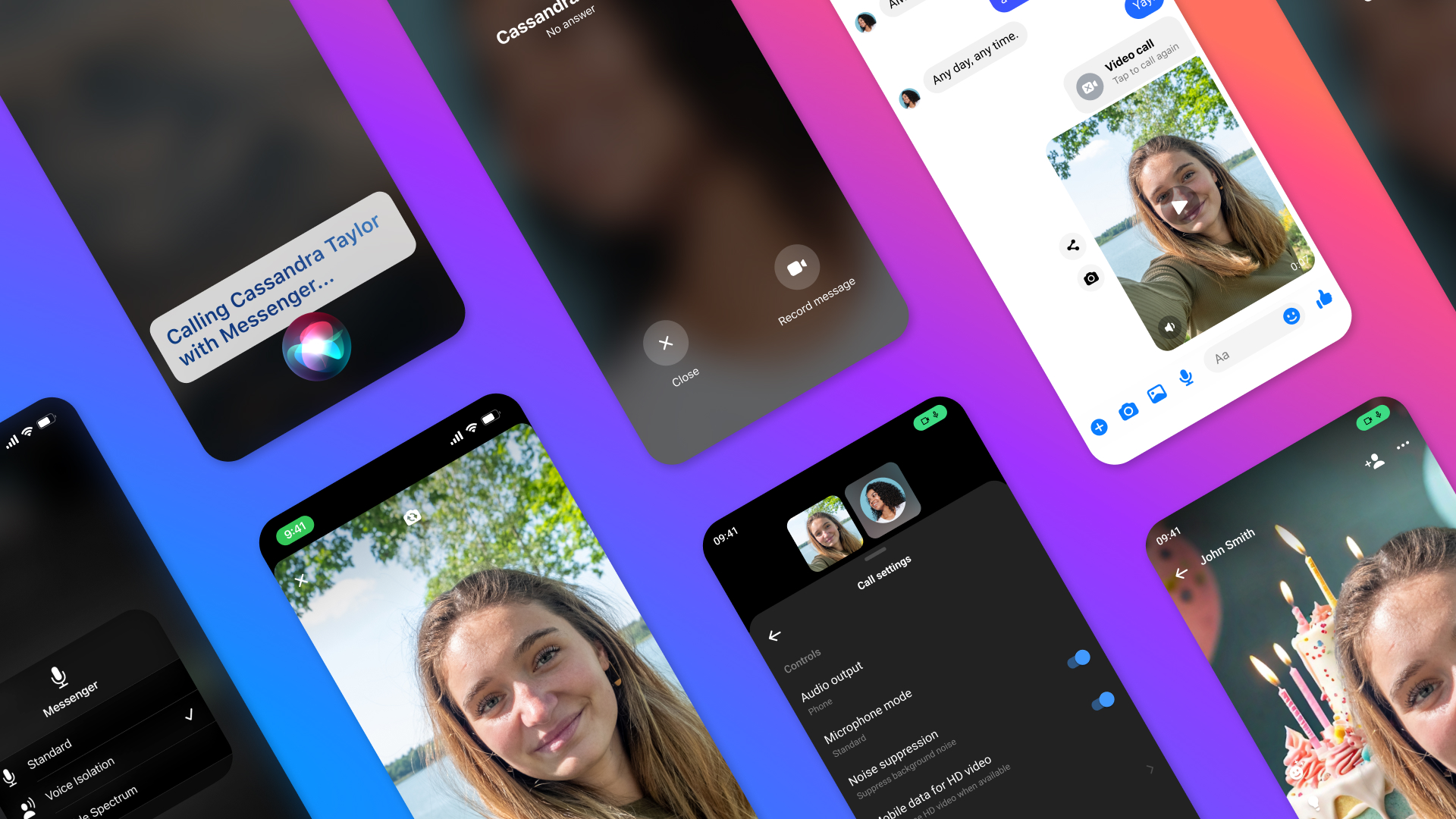
    If your business relies on Facebook for marketing, it may also be to use the platform to handle client calls and customer service now. Meta, the parent company of Facebook, recently rolled out updates to its Messenger platform aimed at enhancing its utility for businesses, such as HD-quality video calls, noise suppression, and hands-free messaging capabilities through Siri.

    Another major enhancement is the ability for businesses to conduct video calls in high-definition quality for clearer, more professional interactions.

    In September, Meta launched new ways to personalize Messenger with unique, AI-generated images from Meta AI. Now it also is releasing an improved AR effects library, enabling users to add visual effects to their video chats. This update includes a range of new filters and effects, expanding the creative options available. For small businesses, this can translate into more engaging marketing or customer interaction strategies.

    Meta has also refining Messenger’s Chat Extensions, which are tools that allow users to integrate other services and products into the chat experience. Small businesses can utilize these extensions to streamline customer service interactions directly within Messenger, potentially increasing efficiency by having access to order information, customer service inquiries, and more integrated into one messaging app.

    Moreover, with an enhanced search feature, finding messages within a chat has become simpler and quicker. This is critical for businesses that need to track customer interactions or locate specific conversations without hassle. Enhanced search capabilities make it easier to navigate through a large volume of messages, saving time and improving productivity.

  • Snapchat Unveils New AR Tools to Boost Small Business Marketing Efforts

    Snapchat Unveils New AR Tools to Boost Small Business Marketing Efforts

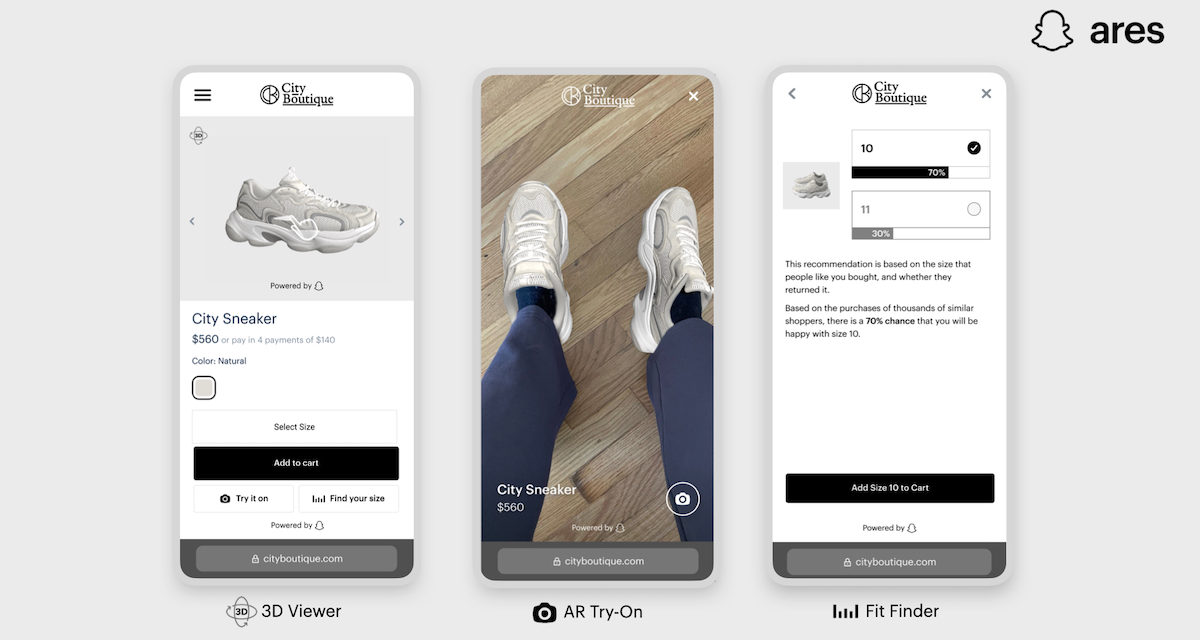
    Snapchat is expanding its digital toolkit for businesses by introducing new augmented reality (AR) lenses. According to Small Business Trends, the update could vastly improve businesses’ ability to train customers to use their products or to “try on” products—such as clothing or shoes.

    These new AR lenses are designed to help businesses integrate interactive content into their marketing strategies. Snapchat’s initiative reflects the continued growth and importance of AR in digital marketing. By introducing these features, Snapchat aims to enhance how brands connect with customers and drive consumer interaction.

    The new lenses are accompanied by updated tools that offer greater ease of use for small business owners, even those with limited technical expertise. Snapchat has revamped its Lens Studio, the application used to create AR experiences, making it more intuitive and accessible. With it, businesses can design custom lenses that resonate with their brand identity, foster user engagement, and potentially increase sales.

    One of the primary attractions of these new tools is the ability for businesses to personalize the user experience. Companies can now offer real-time product try-ons, interactive demos, and gamified experiences that encourage users to engage more with the brand. This feature is particularly beneficial for sectors like retail and beauty, where visualizing products in a real-world context can significantly influence purchasing decisions.

    Moreover, Snapchat offers detailed analytics to measure the performance of these lenses. Business owners can access essential metrics such as views, shares, and interaction times, helping them understand audience behavior and optimize campaigns accordingly. By providing these insights, Snapchat empowers businesses to refine their strategies and improve their return on investment.

    Additionally, this move positions Snapchat as an attractive platform for small to medium-sized businesses looking to expand their digital presence. As AR continues gaining traction, Snapchat’s user-friendly tools can help companies stay competitive without needing extensive resources.

    By enhancing its AR offerings, Snapchat supports creative marketing endeavors and strengthens its position in a market where customer engagement increasingly hinges on interactive and personalized solutions. Businesses looking to attract a younger, tech-savvy audience will likely find these tools particularly advantageous. As digital experiences become more interactive, platforms like Snapchat will be crucial in shaping how brands communicate with consumers.

    Small business owners interested in leveraging these new features can explore Snapchat’s resources and support to get started. By embracing augmented reality through Snapchat’s lens ecosystem, brands can engage users innovatively, provide unique experiences, and potentially boost their visibility and reach in the social media landscape.

  • No More labels? Innovation in Direct-to-Package Printing

    No More labels? Innovation in Direct-to-Package Printing

    In the modern era of commerce, particularly within e-commerce, how companies approach packaging has taken on new dimensions beyond mere functionality to include marketing and sustainability. As environmental concerns continue to push businesses towards greener practices, a significant shift is seen in the reduction of waste from traditional packaging methods. This includes the reevaluation of using standard self-adhesive shipping labels, which are typically not recyclable due to their composite materials and leave residues that contaminate the recycling process.

    Businesses that rely heavily on secondary packaging—such as cardboard boxes and bags—are turning to innovative solutions to address these challenges. One such solution is integrating high-speed inkjet printing systems directly onto packaging lines. This technology allows for printing variable data, including addresses, tracking codes, and other essential shipping information, directly onto the packaging, eliminating the need for separate labels.

    The benefits of direct-to-package printing are manifold. Firstly, it drastically reduces the environmental impact of producing and disposing of adhesive labels, which involve using solvents, chemicals, and other materials that contribute to environmental degradation. Secondly, this method enhances the capability to customize and brand packaging without significant additional costs, transforming the package into a marketing tool that communicates directly with consumers. This is particularly valuable in a highly competitive retail space where branding and customer interaction through packaging can influence purchasing decisions.

    Leading companies like Amazon are at the forefront of adopting these technologies. Their investments in adaptive packaging systems that customize box sizes to product dimensions help reduce material usage and shipping costs. Such systems not only optimize packaging but also contribute to the company’s overall sustainability goals by minimizing the logistic footprint.

    Further, the evolution of packaging technology includes the ability to print dynamic, colorful designs and messages at high speeds, which was once a significant barrier in traditional packaging processes. This capability allows for greater flexibility in responding to market trends and promoting seasonal offers directly through the packaging, enhancing customer engagement.

    However, transitioning to new technologies, such as direct printing on packaging, requires substantial upfront investment in specialized equipment and training. It also demands a shift in operational processes to integrate these systems smoothly into existing production lines. Despite these challenges, the long-term benefits in cost savings, environmental impact, and marketing efficacy make it worthwhile.

    As the industry continues to evolve, we can expect more businesses to adopt direct-to-package printing, propelled by the dual forces of technological advancement and increased consumer demand for sustainable practices. This shift is likely to spur further innovations in packaging technology, making it an exciting area for future development in logistics and marketing strategies within the retail and manufacturing sectors.