Category: Cost Savings

  • IRS Interest Rate Cuts Could Ease Financial Strain for Small Businesses in 2025

    IRS Interest Rate Cuts Could Ease Financial Strain for Small Businesses in 2025

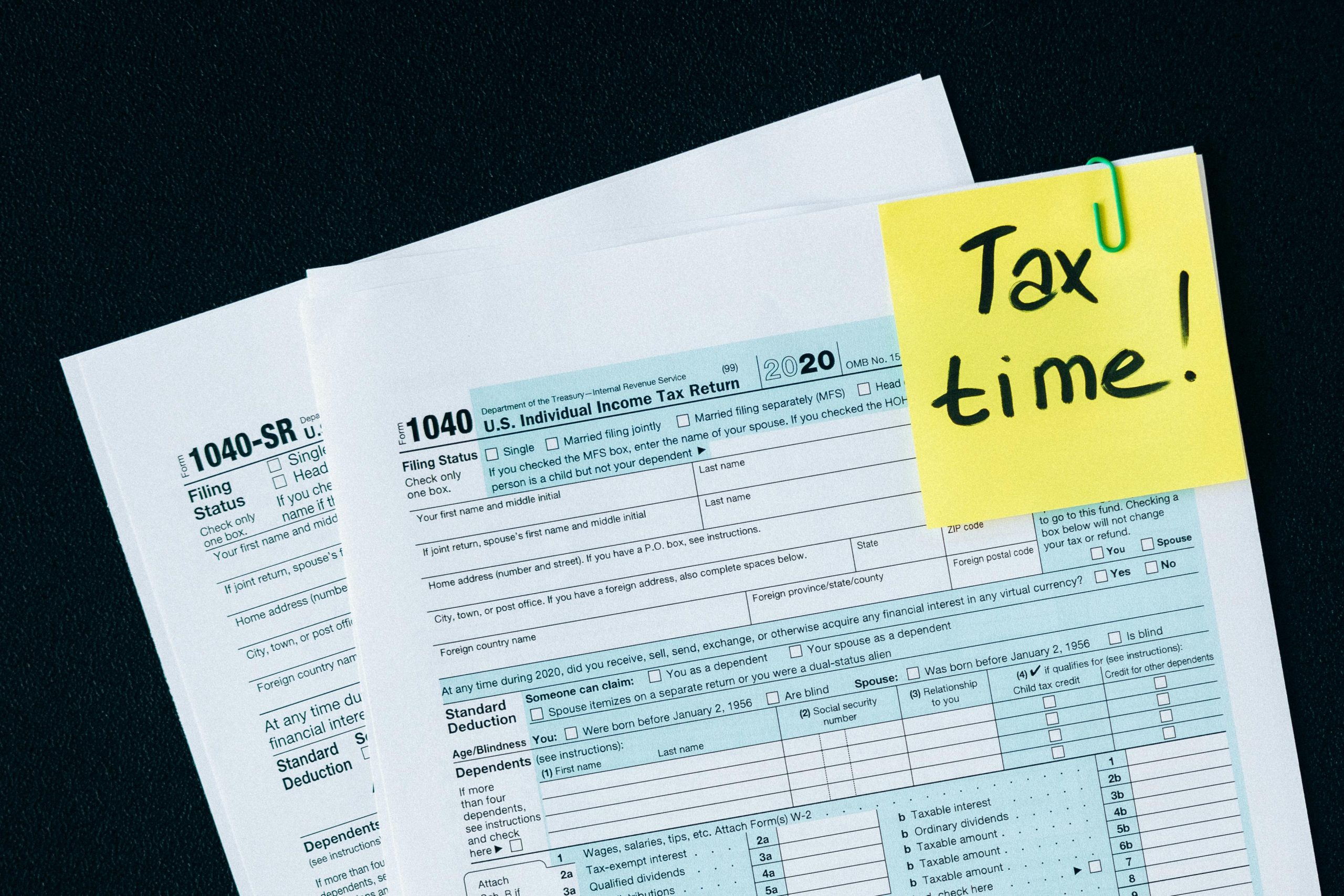
    The IRS announced that if you have overpaid or underpaid your taxes, the interest rate assessed will be lower in the first quarter of 2025. This is the first time since 2020 that interest rates have been lower than the previous quarter.

    IRS rates will decrease by a percentage point across the board for the calendar quarter beginning Jan. 1, 2025. The change provides some financial relief for small businesses struggling to catch up on tax payments.

    The interest rate for overpayments will be adjusted from 5% to 4% for individuals and 3% for corporations. Large corporate overpayments will see a rate of 1.5%, down from 2.5%. On the flip side, the rate for underpayments will drop to 4% from the current 5%. For large corporate underpayments, the rate will fall to 6%, down from 7%.

    Small businesses, in particular, may find this adjustment beneficial in managing cash flow and finance charges, providing a buffer in these economic times. Lower interest rates might help reduce the financial burden of outstanding tax obligations, potentially freeing up resources for other business investments.

    The IRS adjusts these rates quarterly based on the federal short-term rate, which showed a decline amid current economic conditions. These adjustments intend to align federal tax-related interest charges more closely with prevailing economic realities, offering taxpayers some respite as they strategize for the first quarter of the new year.

    Understanding the precise impact of these changes requires awareness of how small businesses manage their tax liabilities. Businesses often face challenges with cash flow at the start of the year when tax payments are typically due. Lower interest rates on unpaid taxes can reduce the extra costs associated with cash shortages. For those eligible for refunds, a lower interest rate might encourage businesses to pay due taxes sooner to avoid higher charges.

    Here is a complete list of the new rates:

    • 7% for overpayments (payments made in excess of the amount owed), 6% for corporations.
    • 4.5% for the portion of a corporate overpayment exceeding $10,000.
    • 7% for underpayments (taxes owed but not fully paid).
    • 9% for large corporate underpayments.

    Under the Internal Revenue Code, the rate of interest is determined on a quarterly basis. For taxpayers other than corporations, the overpayment and underpayment rate is the federal short-term rate plus 3 percentage points.

  • Decline in Gas Prices Offers Relief and Savings for Small Businesses

    Decline in Gas Prices Offers Relief and Savings for Small Businesses

    The latest reports on gas prices have shown a decline, providing some relief to small business owners who rely heavily on transportation. According to AAA’s recent update, the national average for a gallon of regular unleaded gas has fallen to $3.60, down from $3.75 just a week ago. This decrease comes as a welcome change for small businesses managing the challenges of fuel expenses.

    Several factors contribute to this decrease in gas prices. Crude oil prices have decreased, driven by increased production and a relatively stable global supply chain. Additionally, a stronger dollar has made oil cheaper for American consumers, further contributing to lower prices at the pump.

    Small businesses, especially those involved in logistics, delivery, and transportation, are particularly sensitive to fluctuations in gas prices. Lower gas prices can result in direct savings for these businesses, allowing for more investment in other critical areas like staffing, equipment, or marketing. Some companies might even pass these savings on to customers, giving them a competitive edge in the market.

    While the current trend is positive, small business owners must remain vigilant. Gas prices can be volatile, and shifts in the market or global events could quickly change the current trajectory. Businesses should implement strategies to mitigate the impact of future fluctuations, such as optimizing delivery routes, investing in fuel-efficient vehicles, or hedging fuel costs.

    Despite the current decrease in gas prices, the broader economic picture remains mixed. Inflation and supply chain disruptions continue to affect various sectors. However, lower fuel costs might help ease some of these pressures, providing a much-needed buffer as we approach the holiday season—a critical time for many small businesses.

    For those running operations that depend on vehicle fleets, staying informed about local and regional gas prices, as they vary significantly, is essential. Some states have seen average prices dip below $3.40, which could mean even more significant savings depending on location.

    In conclusion, while the decrease in gas prices offers some respite, planning and adaptability remain critical for small businesses. By closely monitoring fuel cost trends and making strategic adjustments, companies can better navigate the challenges of fluctuating energy prices, ultimately strengthening their financial health.