
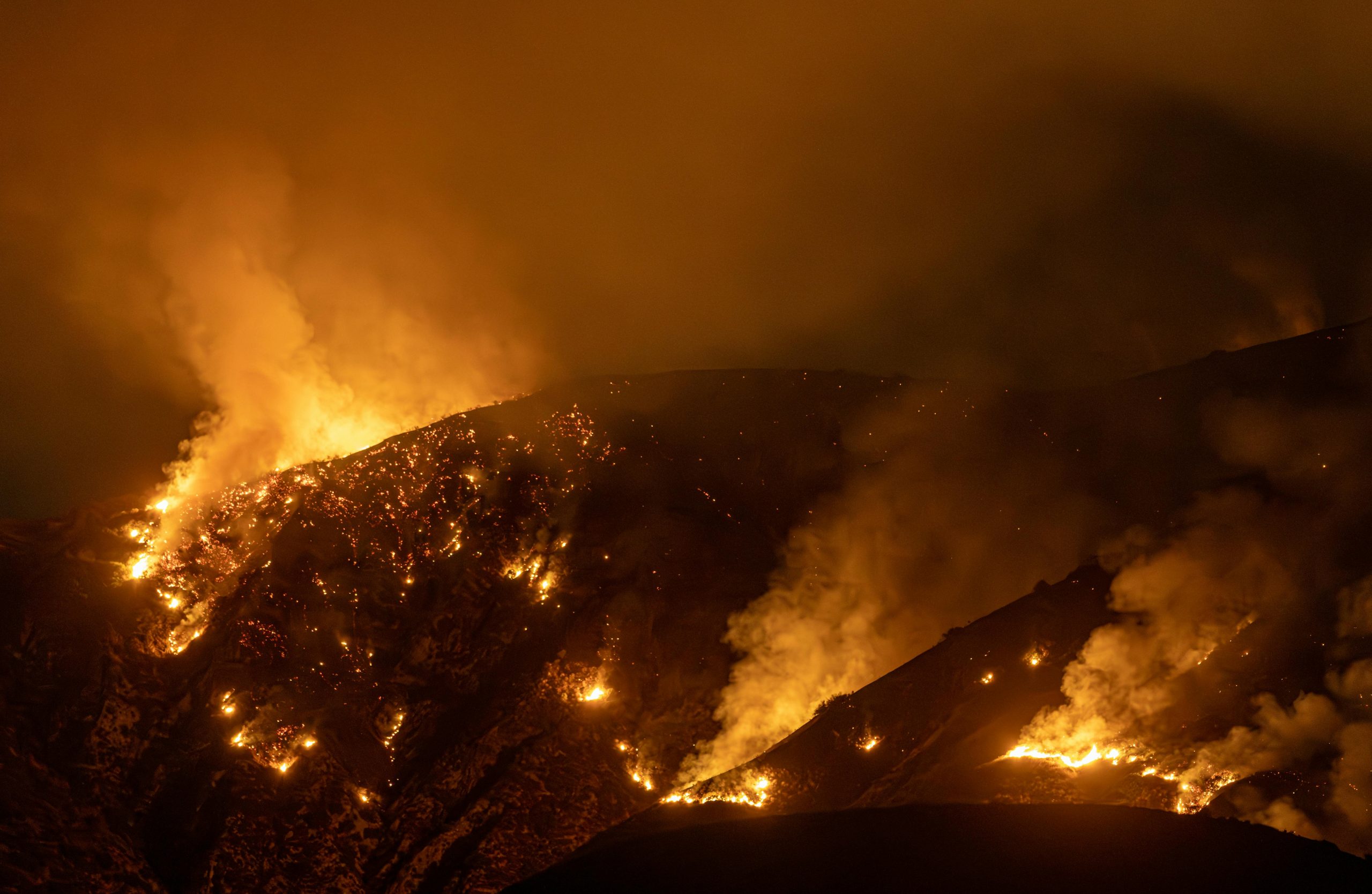
The recent wildfires in Los Angeles have caused significant disruptions to the local economy, especially for small businesses and their workforce. According to newly released data from ADP, which analyzes employment patterns, the fires have impacted job numbers and worker hours, underscoring the vulnerability of small enterprises in the face of natural disasters.
Los Angeles, known for its expansive landscapes and urban sprawl, is no stranger to wildfires. However, the scale and intensity of the recent fires have posed unprecedented challenges. For many small business owners in the region, their primary concern is maintaining operations amidst these disruptions. The fires have not only threatened physical structures but have also created logistical nightmares related to transportation and employee availability.
ADP’s data highlights a noticeable decline in logged worker hours over recent weeks. This decrease suggests that employees, whether involved directly with retail, hospitality, or service industries, are either unable to reach their workplaces due to evacuation orders or are opting to focus on personal safety for themselves and their families. Furthermore, power outages and road closures compound these issues, making it difficult for businesses to operate at full capacity.
The hospitality and tourism sectors appear to be among the hardest hit. As tourist traffic slows to a trickle amid concerns over air quality and safety, hotels, restaurants, and entertainment venues are experiencing a sharp drop in patronage. This decline not only affects full-time employees but also the many part-time workers who depend on these industries for income.
Retail businesses, particularly those in or near evacuation zones, face similar struggles. Many store owners have had to shutter temporarily, leading to a direct loss of sales and subsequently, a cut in employee hours. For workers who rely on consistent part-time hours, this disruption strains their financial stability, as they juggle the need to earn a living with ensuring their own safety and that of their families.
Adaptation strategies are underway as some businesses are shifting towards flexible working arrangements, allowing employees to work remotely where possible. However, for customer-facing roles, this isn’t always feasible, leaving employers and employees alike in precarious situations. Additionally, businesses are grappling with the economic strain of potentially rebuilding in a post-fire landscape, alongside navigating the intricacies of insurance claims and federal aid applications.
Across all affected sectors, there is a shared hope for respite and recovery support from local authorities and national agencies. Meanwhile, community resilience shines through as local groups organize relief efforts for those most affected, underscoring the spirit of solidarity in challenging times.
This confluence of natural disaster and economic challenge serves as a sobering reminder of the importance of disaster preparedness and flexible crisis management strategies within small business circles. As the fires slowly diminish, the path to recovery begins, but the scars, both physical and economic, will linger, reminding us of the impacts of climate and how they intertwine with the livelihoods of many.