
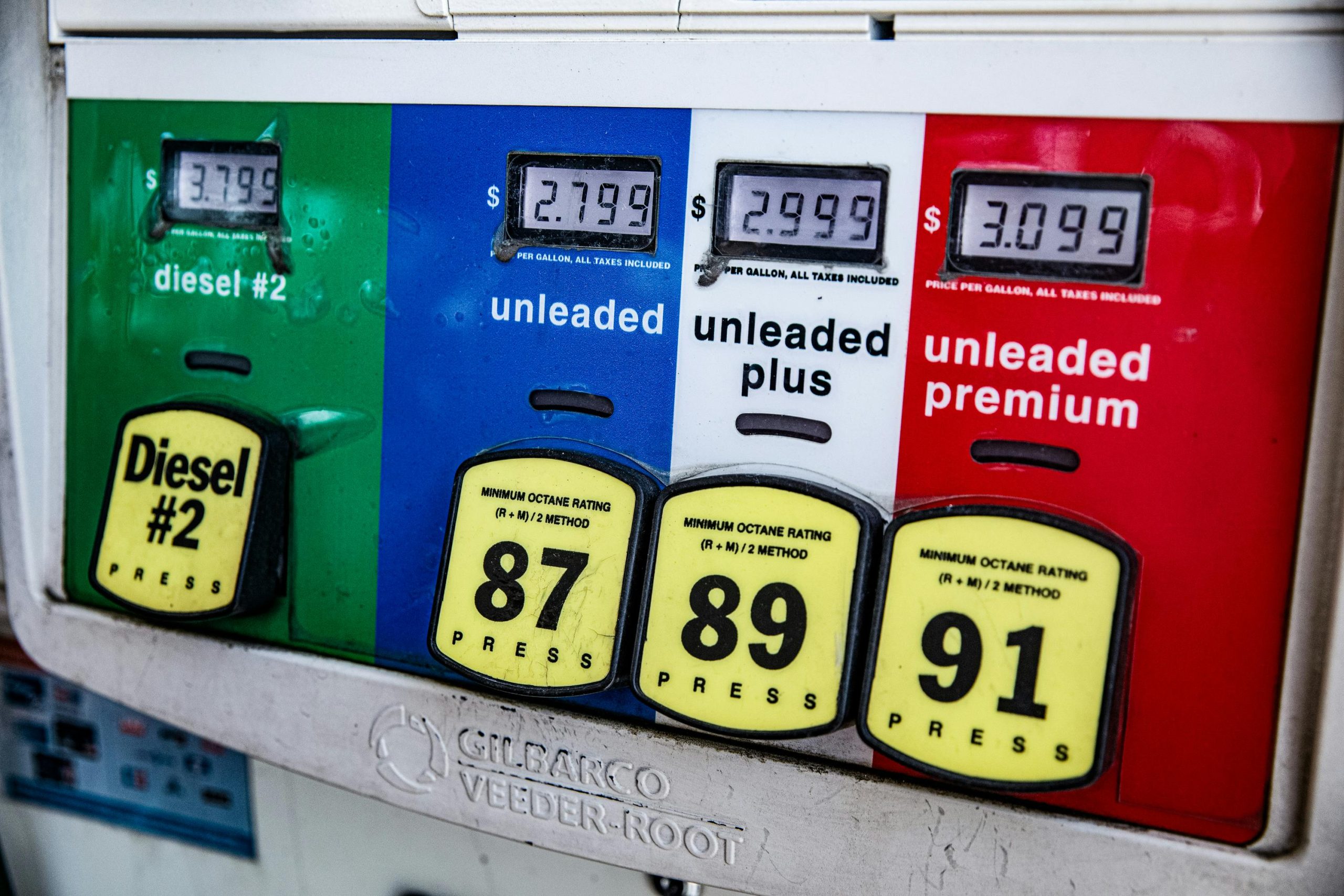
Unsurprisingly, gas prices have long been a crucial concern for small business owners, particularly those in industries that rely heavily on transportation and logistics. On January 16, 2025, there was a notable update from AAA regarding gas prices that could have significant implications for these businesses.
On the national level, the average price for a gallon of regular unleaded gasoline has shown a slight but noticeable increase, now standing at $3.10. This marks a rise of four cents from the previous week’s average, driven by oil prices hovering around $80 per barrel. While fluctuations in gas prices are not uncommon, this particular increase has caught the attention of small business owners who are closely monitoring their operational budgets and expenses.
For small businesses that operate delivery services or rely on a fleet of vehicles, even minor changes in fuel costs can have a pronounced impact on their bottom line. Adding to the concern is the variability of prices across different states. While 26 states currently report average gas prices below $3 per gallon, other regions face higher costs, adding to the financial pressure on small businesses.
Understanding the factors behind these changes can provide small business owners with insights into what might lie ahead. AAA attributes the rising gas prices to surging global oil prices, driven by strong winter heating fuel demand and new U.S. sanctions against Russia’s energy sector. Oil prices are a significant component of gas costs, accounting for 56% of what consumers pay at the pump.
Amid these developments, there are a few steps small businesses can take to prepare and manage their costs effectively. One approach is optimizing delivery routes to ensure fuel is used most efficiently, potentially reducing overall mileage. Investing in more fuel-efficient vehicles or exploring hybrid and electric alternatives can also offer long-term savings despite the initial upfront costs.
Additionally, small business owners should keep an eye on future updates and forecasts from sources like AAA. These predictions can aid in better financial planning and cost management. Monitoring market trends and staying informed will help determine when to adjust business strategies and operations accordingly.
In summary, while the increased gas prices present a challenge for small businesses reliant on vehicle transportation, proactive measures and strategic planning can help mitigate the financial impact. It’s crucial to remain adaptable and responsive to these economic changes, enabling small businesses to sustain and thrive despite rising operational costs.