Category: Technology

  • Snapchat  Launches ‘Groundbreaking’ AI Text-to-Image Model for Mobile

    Snapchat Launches ‘Groundbreaking’ AI Text-to-Image Model for Mobile

    Snapchat announced a new AI model capable of generating high-resolution images for mobile devices in seconds.

    “We are excited to bring this technology into production in the coming months to help power some of Snapchat’s AI features, such as AI Snaps, AI Bitmoji Backgrounds, and more,” the tech company said in its announcement. “By implementing this in-house built technology, we’ll be able to offer our community fast, high-quality AI tools at a lower operating cost.”

    A snap is a photo or video that you can send to friends and family on Snapchat. Snaps disappear from the recipient’s phone after they’ve viewed them.

    This new AI tool could help small businesses using Snapchat as a marketing channel as they:

    • Document day-to-day operations: Use the app’s Story feature to walk followers through business operations at your workplace, host Q&As, or showcase new products.
    • Upload content regularly: Easier to serve followers content so they don’t forget you exist.
    • Interact with other users: Customers and prospects who contact your brand through the app’s messaging feature are easier to engage with images.

    “Snap has a long history of research excellence in model optimization and efficiency,” the company said. “We are inspired by the industry innovation that is making AI tools more efficient, affordable, and accessible, and we look forward to continuing to contribute to the rapid pace of innovation, particularly for mobile-first experiences.”

  • OpenAI’s New Pro Mode to Boost Small Business Productivity

    OpenAI’s New Pro Mode to Boost Small Business Productivity

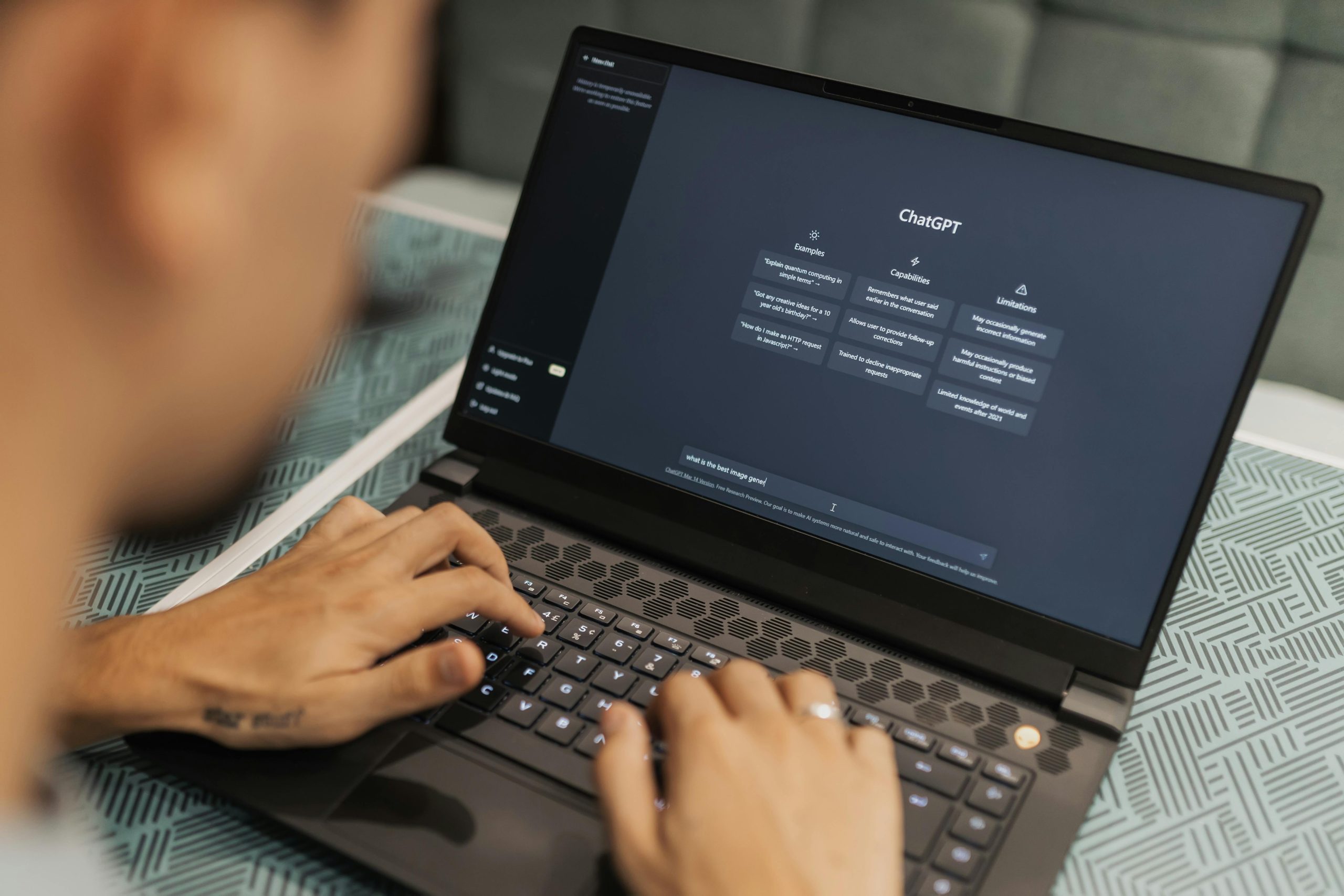
    OpenAI has announced enhancements to its ChatGPT experience with a new feature: Pro mode. The development now allows small businesses to use “research-grade intelligence daily to accelerate their productivity and be at the cutting edge of advancements in AI.”

    ChatGPT Pro costs $200 a month but offers considerably more to subscribers.

    The “plan includes unlimited access to our smartest model, OpenAI o1, and to o1-mini, GPT-4o, and Advanced Voice. It also includes o1 pro mode, a version of o1 that uses more computing to think harder and provide even better answers to the hardest problems,” OpenAI’s announcement said.

    Pro mode facilitates users who require consistent, on-demand access to the ChatGPT platform. It offers a seamless and reliable solution for businesses that have integrated AI into their daily operations. Its introduction addresses common user feedback around limited availability and variable service speeds, effectively improving the overall accessibility and responsiveness of ChatGPT’s capabilities.

    This new subscription tier offers several desirable benefits to small business owners. Key features include priority access during peak times, ensuring that users can bypass waiting times and achieve quicker results. Additionally, Pro mode offers enhanced performance characterized by faster response times and the ability to handle more complex requests efficiently, which is invaluable for businesses that rely on real-time data analysis and decision-making processes.

    “In evaluations from external expert testers, o1 pro mode produces more reliably accurate and comprehensive responses,” OpenAI said, “especially in areas like data science, programming, and case law analysis.

  • Meta Trials Reels Monetization for Instagram Creators: Implications for Businesses

    Meta Trials Reels Monetization for Instagram Creators: Implications for Businesses

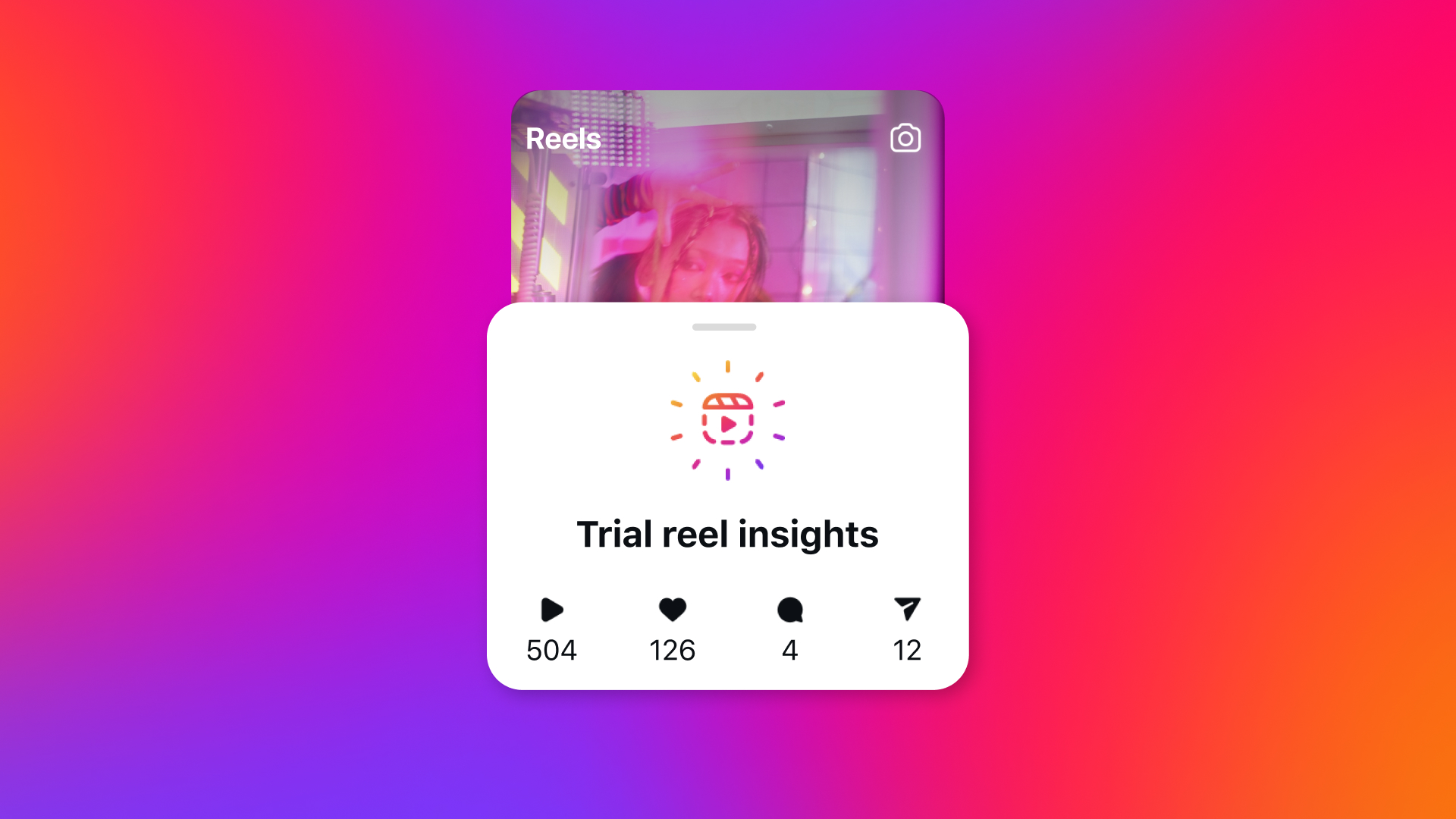
    Meta, the parent company of Instagram, is set to test a new form of content monetization through trials of its Reels feature. This initiative targets a select group of Instagram creators, providing them with fresh opportunities to earn money directly from their content, specifically short-form videos known as Reels.

    Reels, launched on Instagram as a competitor to TikTok, allows users to create and share short videos. With this new monetization approach, Meta aims to directly benefit the creators who drive user engagement on the platform. By offering financial incentives, Meta hopes to encourage creators to produce more content, which in turn could bolster user engagement and retention.

    The trial involves a feature where successful creators can earn a performance-based bonus, adding a new dimension to monetizing their creative efforts. This system not only rewards creators for their creativity and hard work but also seeks to inspire a diverse range of content that resonates with Instagram’s global audience.

    Meta’s decision to trial Reels monetization reflects a broader trend among social media platforms, which have increasingly acknowledged the importance of supporting creators financially. By investing in content creators, platforms ensure a steady influx of engaging content that attracts and retains users, ultimately keeping them competitive in a crowded market.

    The company will collect feedback from participating creators during the trial period to gauge the effectiveness and appeal of this new initiative. This feedback will likely play a critical role in fine-tuning the feature, ensuring it meets creators’ needs while aligning with Meta’s broader business goals.

    Instagram’s new approach reaffirms the platform’s dedication to fostering a supportive ecosystem for creatives. The initiative demonstrates an effort to offer creators more substantial ways to sustain their businesses on the platform. By providing structured financial opportunities, Instagram is strategically positioning itself to meet the evolving demands of content creators, who are always seeking reliable monetization channels.

    For small business owners who use Instagram as a marketing tool, this development could mean a more vibrant and diverse range of content to engage with, potentially offering better collaboration opportunities with influencers and creators. As the landscape of social media evolves, small businesses will need to stay informed about these changes to leverage new trends effectively.

    This move by Meta also highlights the shifting nature of digital platforms that are adapting to become more creator-centric. As the competition among social networks intensifies, offering attractive compensation models can make a platform more appealing to content creators who drive significant traffic and engagement.

    By investing in creators, Meta enhances user experience while consolidating its hold in the digital content arena. Small business owners engaged with Instagram as part of their digital strategy should watch these developments closely, as they can impact marketing dynamics and collaborations. For those who consider partnering with influencers, this monetization trial hints at potential new avenues for engagement and audience building.

    Overall, this push towards supporting creator monetization is indicative of a growing recognition of creators as valuable assets on digital platforms, each one critical to maintaining vibrant online communities.

  • T‑Mobile Unveils New  5G Small Business Internet Plans

    T‑Mobile Unveils New 5G Small Business Internet Plans

    T-Mobile announced the launch of three new 5G Home and Small Business Internet plans—Rely, Amplified, and All-In—aimed at providing enhanced value and flexibility to customers.

    These plans, available starting December 11, offer a range of features tailored to meet diverse connectivity needs. For small businesses, the new options can include new benefits like Microsoft 365 on Us, Mesh devices, and more.

    T-Mobile Rely Internet

    The Rely plan is an entry-level option that delivers essential internet services with unlimited data and a 5G gateway included. Priced at $50 per month with AutoPay or $35 per month when bundled with any T-Mobile voice line, this plan ensures reliable Wi-Fi suitable for streaming, working, gaming, and browsing. It also includes T-Mobile’s Price Lock guarantee, ensuring the monthly rate remains consistent as long as customers stay on the plan.

    T-Mobile Amplified Internet

    The Amplified plan enhances the Rely offering by providing faster speeds through T-Mobile’s latest 5G gateway. Home Internet customers benefit from Advanced Cyber Security features, including Safe Browsing to block malicious links and Anomaly Detection to protect connected devices, all manageable via the T-Life app. Small Business Internet customers receive a Mesh Access Point to extend Wi-Fi coverage, optimizing connectivity throughout the workspace. The Amplified plan is available at $60 per month with AutoPay, or $45 per month with a T-Mobile voice line.

    T-Mobile All-In Internet

    Positioned as the most comprehensive offering, the All-In plan encompasses all features of the Amplified plan and adds substantial value. Home Internet customers receive ad-supported Hulu and Paramount+ Essential subscriptions, granting access to various TV shows, movies, and live sports. Additionally, a Mesh Access Point is included to enhance home Wi-Fi coverage, along with 24/7 live assistance through Assurant® Personal TechPro for support with smart devices. Small Business Internet customers benefit from two Mesh devices, 24/7 live help, and, starting February 2025, Microsoft 365 on Us, which includes two Business Basics subscriptions for access to Office apps, Microsoft Teams, and cloud storage. The All-In plan is priced at $70 per month with AutoPay, or $55 per month with a T-Mobile voice line, offering nearly $300 per year in included value.

    Additional Benefits

    All three plans come with T-Mobile’s Price Lock guarantee, ensuring that the monthly rate for 5G internet remains unchanged as long as customers remain on their chosen plan, excluding taxes and fees. Customers also benefit from no equipment fees, no annual contracts, unlimited data, simple self-setup in 15 minutes or less, and a 15-day worry-free trial.

    Allan Samson, T-Mobile’s Chief Broadband Officer, emphasized the company’s commitment to customer-centric service: “We’re focused on giving customers more—more value, more benefits, and the hassle-free experience they deserve.” He highlighted that while some providers raise rates significantly after promotional periods, T-Mobile’s new plans offer consistent pricing and added value, providing peace of mind to customers.

    With these new offerings, T-Mobile continues to leverage its expansive 5G network to deliver flexible and value-rich internet solutions, reinforcing its position as a leading provider in the U.S.


  • Alibaba’s PIC Copilot: Boosting Small Business Marketing with AI Innovation

    Alibaba’s PIC Copilot: Boosting Small Business Marketing with AI Innovation

    Alibaba recently launched a new enhancement to its artificial intelligence tools for small businesses, specifically targeting e-commerce sellers. The company’s fresh addition, called “Pictorial Intelligence Commerce with Copilot,” or PIC Copilot, aims to substantially ease the marketing efforts of online retailers.

    This AI-driven tool is designed to optimize the process of creating promotional and sales content, with an emphasis on visuals. Utilizing advanced technologies, PIC Copilot assists users by automating the design of graphics and images necessary for product listings and advertisements. Small business owners, especially those who may lack a dedicated marketing team, stand to benefit immensely from this tool by saving both time and resources.

    PIC Copilot functions by intelligently analyzing existing content and suggesting enhancements or modifications that could improve customer engagement. This includes adapting visuals to align with trends, personalizing graphics to cater to different consumer segments, and testing various image options to determine which ones generate more interest.

    Alibaba is joining a growing trend in the e-commerce industry to harness AI to streamline and enhance business operations. As competition intensifies, small businesses often find it challenging to maintain a robust online presence without extensive marketing investments. Tools like PIC Copilot, and Luma AI’s Ray 2 Video Model, can level the playing field, offering tailored solutions that match the agility of larger corporations.

    According to Alibaba’s announcement, PIC Copilot’s user-friendly interface allows business owners with minimal experience in graphic design or marketing to successfully operate the tool. Its intuitive features are aimed at reducing the complexity typically associated with content creation, giving small business owners the confidence to produce professional-quality marketing materials.

    Beyond image creation, this tool also provides analytics features, enabling users to track the performance of the content it helps generate. This data-driven approach allows businesses to improve their marketing strategies based on real-world results iteratively.

    Alibaba’s initiative reflects a broader industry push towards AI-driven solutions that empower smaller enterprises to efficiently manage their digital operations. The integration of artificial intelligence into everyday business tasks is increasingly influencing how small businesses plan and execute their marketing efforts.

  • Businesses Smashed Shopify Records in late November

    Businesses Smashed Shopify Records in late November

    This Black Friday-Cyber Monday (BFCM) weekend was a landmark event for Shopify merchants, who achieved an incredible $11.5 billion in sales, marking a 24% surge from the previous year. The results highlighted a strong holiday shopping momentum going into the heaving holiday buying season.

    Small business owners and managers were optimistic about the U.S. economy heading into the holiday season, and they were right to forecast healthy sales.

    From the early hours of Friday in New Zealand to the close of Cyber Monday in California, more than 76 million customers worldwide shopped with brands powered by Shopify. The shopping frenzy peaked at 12:01 PM EST on Black Friday, when sales hit an astonishing $4.6 million per minute.

    “Shopify is transforming Black Friday weekend,” said Harley Finkelstein, President of Shopify. “What was once a ‘doorbuster’ shopping moment dominated by legacy players is now a global commerce event in which businesses of all sizes participate. We’re amplifying the global entrepreneurial spirit by rallying behind our merchants, preparing them, and celebrating their impact on a global stage.”

    Key Highlights for Small Businesses Using the Shopify Platform

    Record-Breaking Global Sales
    Shopify merchants collectively generated $11.5 billion in sales, reflecting a 24% year-over-year growth.

    Global Customer Reach
    Over 76 million consumers across the globe made purchases from Shopify-powered brands.

    Entrepreneurial Milestones
    More than 16,500 entrepreneurs celebrated their first-ever sale on Shopify.

    Unprecedented Sales Days
    67,000+ merchants recorded their highest-ever sales day during the weekend.

    Top-Selling Categories
    Popular product categories included clothing tops, cosmetics, fitness & nutrition items, pants, and activewear.

    Average Cart Price
    The average shopping cart value was $108.56, or $109.70 when adjusted for constant currency.

    Leading Countries and Cities
    Top-selling countries: United States, United Kingdom, Australia, Canada, and Germany.
    Top-selling cities: Los Angeles, New York, London, San Francisco, and Miami.

    Peak Sales 
    The highest sales activity occurred at 12:01 PM EST on Black Friday.

    Cross-Border Commerce
    Cross-border transactions accounted for 16% of all global orders.

    Rise of Shop Pay
    Sales made via Shop Pay surged by 58% year-over-year.

    Massive Order Tracking
    Over 91 million packages were tracked using the Shop App.

  • Luma AI’s Ray 2: Transforming 3D Video Creation for Small Businesses

    Luma AI’s Ray 2: Transforming 3D Video Creation for Small Businesses

    Luma AI and Amazon Web Services have partnered to enable AWS customers to build and deploy visual capabilities into their AI applications. The partnership gives nearly 1.45 million AWS customers—and many small businesses around the world—the ability to produce videos from text and image prompts in as little as 10 seconds using Luma AI’s Ray 2 Video Model.

    “In an increasingly complex world, video has become an essential form of expression and a channel for learning, and we set out to offer a service that would help everyone–from creatives to professionals–become fluent in this new visual AI medium,” said Amit Jain, CEO and Co-founder of Luma AI. “In partnering with AWS and offering our models in Amazon Bedrock, we can bring these powerful capabilities into the hands of even more people so that they can fuel their curiosity and achieve more extraordinary things with greater creativity and understanding.”

    Ray 2 can be accessed through Luma AI’s recently launched Dream Machine service. The video model utilizes state-of-the-art AI capabilities to generate 3D content by capturing videos from a single device. This approach simplifies the process for businesses that may not have extensive technical resources or expertise. By leveraging advanced machine learning techniques, Ray 2 can create high-quality 3D representations quickly, making it easier for businesses to develop engaging digital content.

    Tools like Ray 2 are examples of how AI is transforming marketing and other functions for businesses everywhere. It is especially valuable for industries that rely heavily on visual content, such as e-commerce, real estate, and entertainment. By producing immersive 3D videos, businesses can offer an enhanced user experience, potentially increasing customer engagement and conversion rates.

  • Report Reveals Huge Chasm in Small Business Adoption of AI

    Report Reveals Huge Chasm in Small Business Adoption of AI

    While 98% of companies report heightened urgency to deploy AI, only 13% are fully prepared to harness AI’s potential, a drop from 14% in the previous year, according to Cisco’s second annual AI Readiness Index. This decline comes amidst a rapidly evolving market and mounting pressure to demonstrate AI‘s impact. According to Cisco’s Chief Product Officer Jeetu Patel, organizations must adapt swiftly, rethinking power, computing, connectivity, and data requirements to remain relevant.

    Key Findings from the AI Readiness Index

    • Urgency and Timelines:
      Organizations feel constrained by time, with 85% believing they have just 18 months to show AI-driven results. Over half (59%) see this window narrowing to only 12 months.
    • Strategic Imperatives:
      Clear strategies are deemed essential for effective AI deployment. Cybersecurity is the top priority, with 42% achieving advanced implementation, followed by infrastructure (40%) and data analysis/management (39%).
    • Investment Surge Despite Challenges:
      AI spending is expected to double, constituting 30% of IT budgets in five years. This investment optimism persists even as nearly half of AI projects fail to meet expectations.
    • Infrastructure Readiness Declines:
      Key gaps in computing capacity, network performance, and cybersecurity hinder AI progress. Only 21% of organizations possess sufficient GPUs, while just 30% are equipped with robust end-to-end security measures.
    • Data Management Shortfalls:
      Readiness to manage data for AI initiatives has dropped, with 80% citing issues in data preprocessing. Furthermore, 64% highlight deficiencies in tracking data origins.
    • Talent and Governance Challenges:
      Skilled AI professionals remain scarce, with only 31% of organizations reporting high talent readiness. Governance is similarly underdeveloped, with only 31% having comprehensive AI policies, compounded by insufficient expertise in AI law and ethics.
    • Cultural Resistance:
      Cultural readiness to embrace AI has waned significantly, with boards and employees displaying reduced receptivity to AI’s transformative potential.

    Cisco’s findings underscore the pressing need for businesses to close the readiness gap by prioritizing infrastructure, fostering talent, and building adaptable strategies to thrive in an AI-driven future.

  • Meta Updates Messenger with AI, HD Video, and Enhanced Tools for Businesses

    Meta Updates Messenger with AI, HD Video, and Enhanced Tools for Businesses

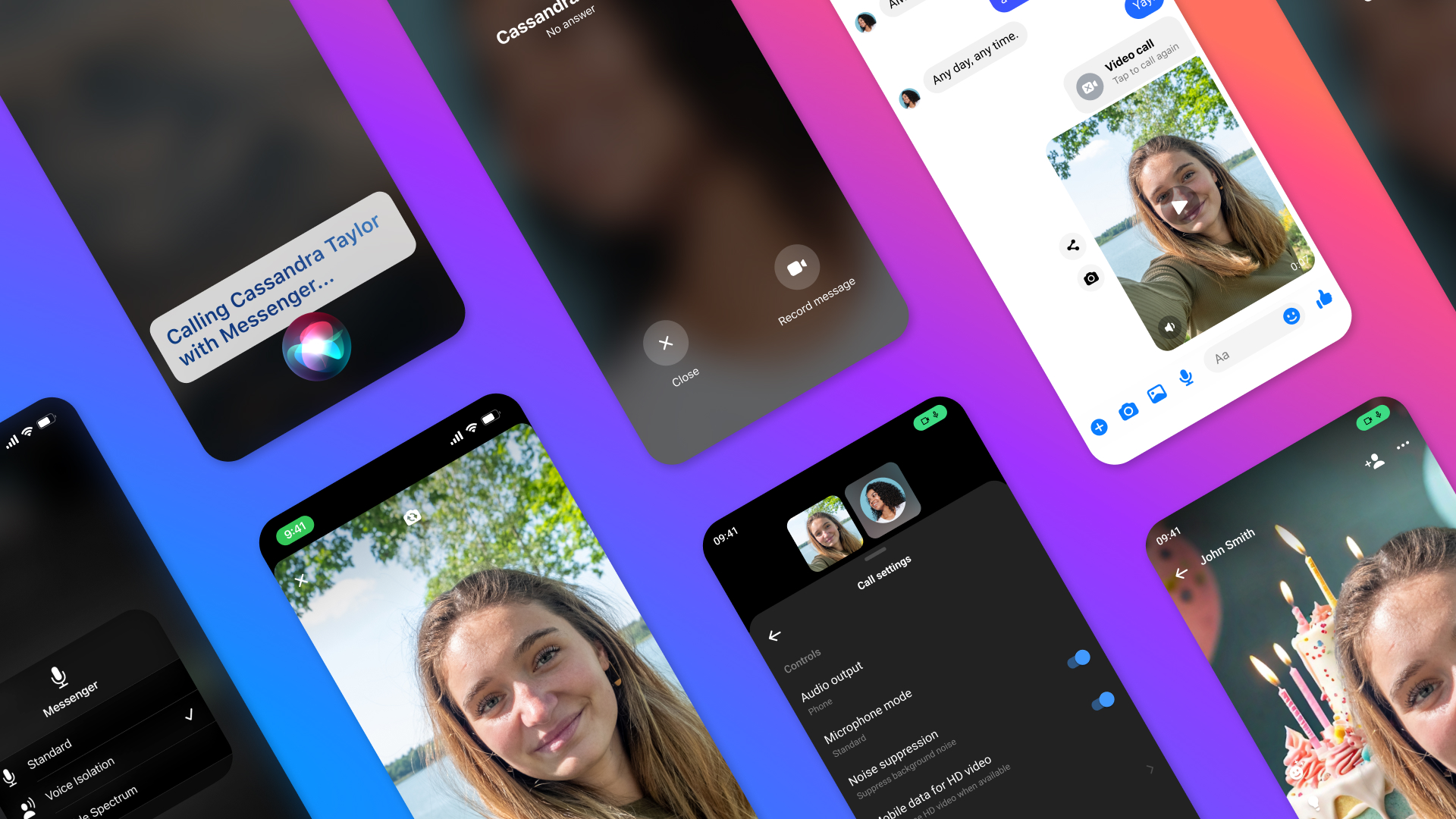
    If your business relies on Facebook for marketing, it may also be to use the platform to handle client calls and customer service now. Meta, the parent company of Facebook, recently rolled out updates to its Messenger platform aimed at enhancing its utility for businesses, such as HD-quality video calls, noise suppression, and hands-free messaging capabilities through Siri.

    Another major enhancement is the ability for businesses to conduct video calls in high-definition quality for clearer, more professional interactions.

    In September, Meta launched new ways to personalize Messenger with unique, AI-generated images from Meta AI. Now it also is releasing an improved AR effects library, enabling users to add visual effects to their video chats. This update includes a range of new filters and effects, expanding the creative options available. For small businesses, this can translate into more engaging marketing or customer interaction strategies.

    Meta has also refining Messenger’s Chat Extensions, which are tools that allow users to integrate other services and products into the chat experience. Small businesses can utilize these extensions to streamline customer service interactions directly within Messenger, potentially increasing efficiency by having access to order information, customer service inquiries, and more integrated into one messaging app.

    Moreover, with an enhanced search feature, finding messages within a chat has become simpler and quicker. This is critical for businesses that need to track customer interactions or locate specific conversations without hassle. Enhanced search capabilities make it easier to navigate through a large volume of messages, saving time and improving productivity.

  • Snapchat Unveils New AR Tools to Boost Small Business Marketing Efforts

    Snapchat Unveils New AR Tools to Boost Small Business Marketing Efforts

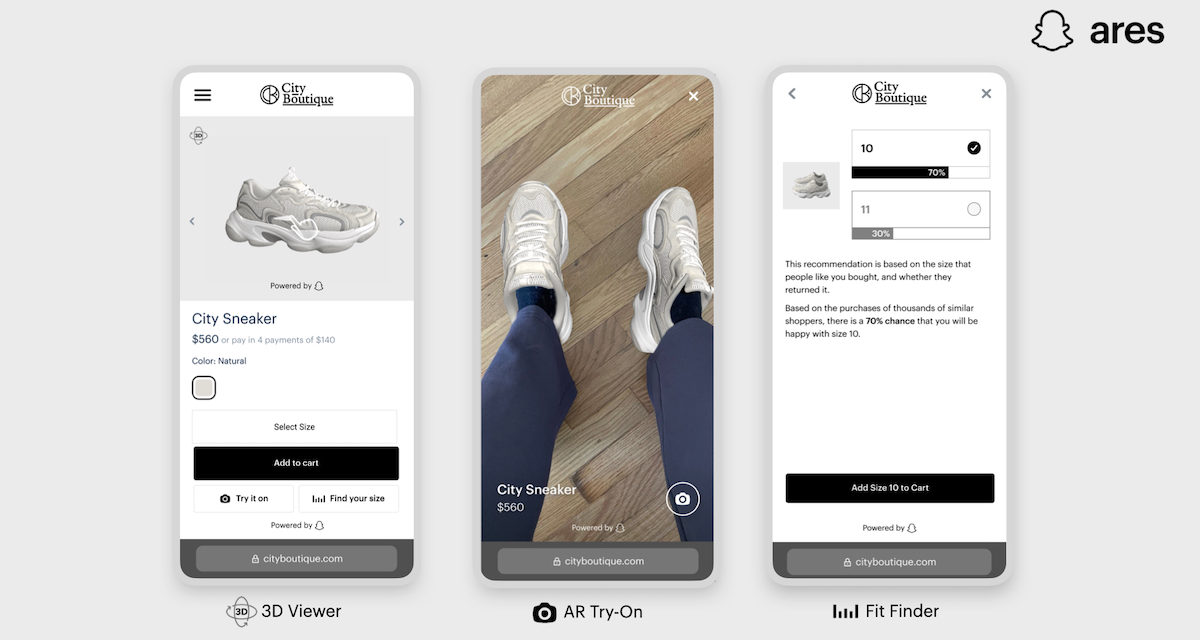
    Snapchat is expanding its digital toolkit for businesses by introducing new augmented reality (AR) lenses. According to Small Business Trends, the update could vastly improve businesses’ ability to train customers to use their products or to “try on” products—such as clothing or shoes.

    These new AR lenses are designed to help businesses integrate interactive content into their marketing strategies. Snapchat’s initiative reflects the continued growth and importance of AR in digital marketing. By introducing these features, Snapchat aims to enhance how brands connect with customers and drive consumer interaction.

    The new lenses are accompanied by updated tools that offer greater ease of use for small business owners, even those with limited technical expertise. Snapchat has revamped its Lens Studio, the application used to create AR experiences, making it more intuitive and accessible. With it, businesses can design custom lenses that resonate with their brand identity, foster user engagement, and potentially increase sales.

    One of the primary attractions of these new tools is the ability for businesses to personalize the user experience. Companies can now offer real-time product try-ons, interactive demos, and gamified experiences that encourage users to engage more with the brand. This feature is particularly beneficial for sectors like retail and beauty, where visualizing products in a real-world context can significantly influence purchasing decisions.

    Moreover, Snapchat offers detailed analytics to measure the performance of these lenses. Business owners can access essential metrics such as views, shares, and interaction times, helping them understand audience behavior and optimize campaigns accordingly. By providing these insights, Snapchat empowers businesses to refine their strategies and improve their return on investment.

    Additionally, this move positions Snapchat as an attractive platform for small to medium-sized businesses looking to expand their digital presence. As AR continues gaining traction, Snapchat’s user-friendly tools can help companies stay competitive without needing extensive resources.

    By enhancing its AR offerings, Snapchat supports creative marketing endeavors and strengthens its position in a market where customer engagement increasingly hinges on interactive and personalized solutions. Businesses looking to attract a younger, tech-savvy audience will likely find these tools particularly advantageous. As digital experiences become more interactive, platforms like Snapchat will be crucial in shaping how brands communicate with consumers.

    Small business owners interested in leveraging these new features can explore Snapchat’s resources and support to get started. By embracing augmented reality through Snapchat’s lens ecosystem, brands can engage users innovatively, provide unique experiences, and potentially boost their visibility and reach in the social media landscape.