
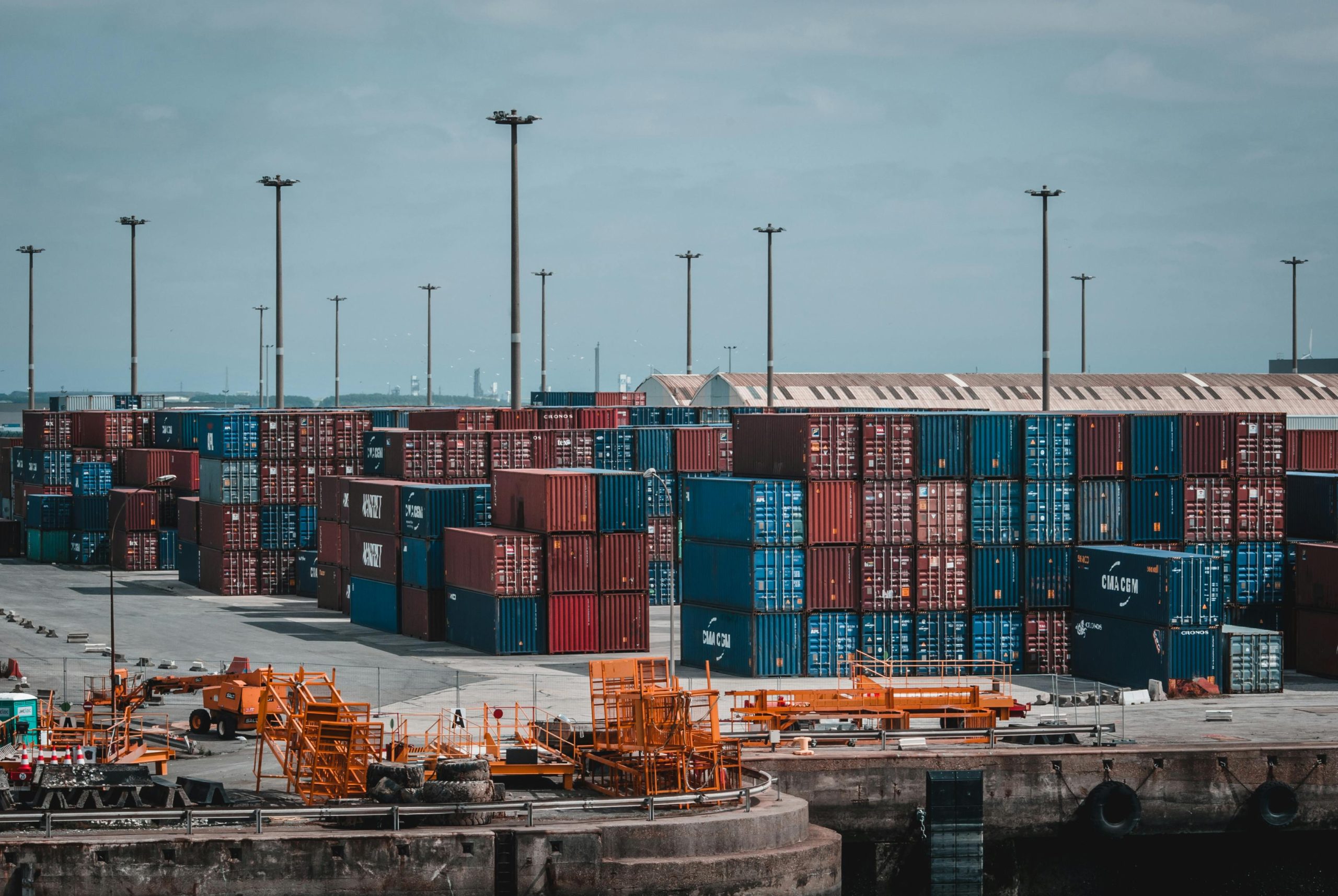
The recent strike at the United States’ East and Gulf Coast ports marked a critical moment for labor relations and economic impact assessments. The International Longshoremen’s Association, representing around 50,000 members, initiated a strike that threatened significant disruptions across various supply chains. This potential upheaval was concerning given the ports’ crucial role in facilitating consumer goods, industrial supplies, and exports vital to the U.S. economy.
The strike, which began early Tuesday, came to a prompt resolution by early Friday, thanks to effective negotiation between the union and the United States Maritime Alliance (USMX). The dispute primarily revolved around wage increases. Initially, the union sought a $4 per hour raise, while USMX offered $3 per hour. This disagreement was not just about wages but also represented broader issues of worker valuation and economic conditions.
As the strike commenced, there was a considerable risk of severe economic repercussions. Ports serve as the lifeblood of commerce, not just for domestic markets but also for international trade. A prolonged disruption could lead to shortages of goods, increased prices, and slowed manufacturing due to lack of necessary components. Fortunately, many shippers had anticipated the strike and moved their goods in advance, mitigating some immediate impacts.
The resolution involved a compromise that saw the workers receive an immediate raise of more than 10%, with additional $4-per-hour increases set for each year over the life of the six-year contract. This agreement represents a significant victory for the union members, providing a substantial increase in wages that reflects their critical role in the national economy.
The quick resolution of the strike was crucial for several reasons. First, it minimized the strike’s duration, which helped prevent more extensive economic damage. Ports like New York and New Jersey, among the largest affected, were able to resume operations relatively quickly, though they announced short-term closures to reorganize and prepare for the normal flow of goods.
Moreover, the strike highlighted the importance of labor in the operation of essential infrastructure. The workers, without any strike benefits and facing loss of income, were keen to resolve the dispute quickly. Their readiness to return to work underlines the often-overlooked human element in these critical roles.
In addition to economic considerations, the strike’s resolution has broader implications for labor negotiations across industries. It sets a precedent for the effectiveness of direct negotiation and could influence future labor actions in similar sectors. The agreement reached also serves as a case study in balancing immediate economic risks with long-term labor relations strategies.
Finally, the quick end to the strike alleviates immediate fears but does not entirely remove the possibility of future disputes. The full ratification of the contract remains pending, and any issues in this process could reignite tensions. However, the successful negotiation provides a blueprint for resolving such conflicts through dialogue and compromise.
The short-lived strike at the East and Gulf Coast ports was a significant event that tested the resilience of U.S. supply chains and labor relations. The effective resolution not only prevented a potential economic crisis but also reinforced the value of proactive negotiation and the critical role of labor in maintaining the nation’s economic stability.